
Each-Way vs Tricast: Choosing the Right Bet for Your Strategy
 Available in US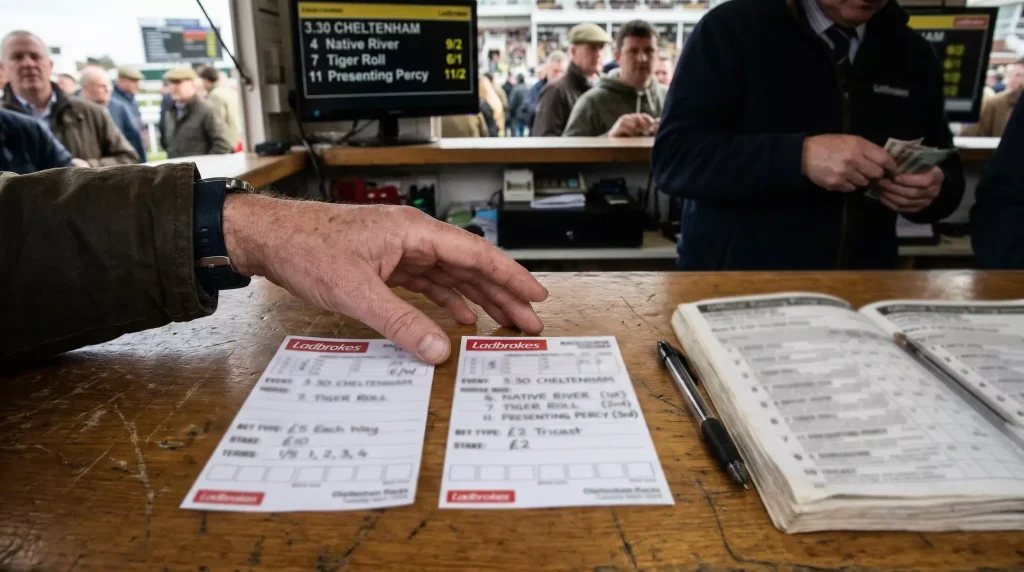
Each-way and tricast betting serve fundamentally different purposes. Each-way offers safety through place coverage, accepting lower potential returns for higher probability of some payout. Tricast pursues maximum returns, accepting low hit rates in exchange for occasional substantial wins.
Neither approach is inherently superior. The right choice depends on your goals, bankroll, risk tolerance, and the specific race conditions you face. Understanding both options—and when each makes sense—expands your betting toolkit.
Many punters default to one approach without considering alternatives. Each-way bettors may overlook tricast opportunities on races where their selections align. Tricast enthusiasts may ignore races where each-way offers better expected value. Flexibility improves results.
This comparison explains how each bet type works and provides guidance on selecting the appropriate option for different situations.
Each-Way vs Tricast — More on this topic at tricast horse racing.
Each-Way Explained
An each-way bet comprises two equal stakes: one on your horse to win, one on your horse to place. If the horse wins, both parts pay out—the win stake at full odds, the place stake at a fraction (typically 1/4 or 1/5 depending on field size and race type). If the horse places but does not win, only the place stake returns.
Place terms vary by race. Non-handicaps with 5-7 runners typically pay 1/4 odds for first and second. Handicaps with 12-15 runners pay 1/4 odds for the first three. Large handicaps with 16+ runners may pay 1/4 odds for the first four. Check terms before betting.
The mathematics are straightforward. A £10 each-way bet costs £20 total (£10 win, £10 place). If your 10/1 selection wins a standard race, you receive £110 from the win stake and £35 from the place stake (10/1 × 1/4 = 2.5/1), totalling £145 plus your £20 returned.
Each-way suits single-horse confidence. When you believe one horse will be involved in the finish but are uncertain about winning, the place coverage provides insurance. A placed horse returns something rather than nothing.
The hit rate is higher than win-only betting but returns are lower when successful. This trade-off suits punters who prefer consistent small returns over volatile feast-or-famine outcomes.
Each-way betting requires no exact order prediction. Your horse simply needs to finish in the places. This is substantially easier than tricast prediction, reflected in the smaller potential payouts.
Tricast Explained
A tricast requires predicting the first three finishers in exact order (straight tricast) or any order (combination tricast). This is dramatically harder than each-way betting—but dividends reflect this increased difficulty.
Straight tricasts cost a single unit stake. You specify which horse finishes first, second, and third. If your prediction is exactly correct, you receive the CSF dividend multiplied by your stake. If the order is wrong—even if your three horses fill the places—you receive nothing.
Combination tricasts cover all six possible orderings of your three selections. This improves hit probability but costs six times the unit stake. A £1 combination tricast costs £6; any ordering of your three horses in the first three positions produces a return.
Tricast dividends can be substantial. Record payouts exceed £90,000 for £1 stakes. Even routine results in competitive handicaps frequently return hundreds or thousands of pounds. The allure of life-changing returns from modest stakes drives tricast popularity.
The trade-off is low hit rate. Predicting three horses in order from fields of 10-20 runners is genuinely difficult. Most tricasts lose. Success requires accepting long losing streaks punctuated by occasional significant wins.
Tricasts demand multi-horse analysis. Rather than identifying one likely winner, you must find three horses capable of filling the places—and ideally have views on their relative finishing positions.
Availability restrictions apply. Tricasts are offered only on handicap races with eight or more declared runners and at least six starting. This limits tricast opportunities to specific race types, unlike each-way which works across all races.
Risk-Reward Comparison
Each-way betting produces lower variance. Regular place finishes return modest amounts, building or preserving bankroll incrementally. Losing streaks are shorter and less painful because place returns cushion losses. The emotional experience is steadier.
Tricast betting produces extreme variance. Long periods of losses—weeks or months—are normal. When wins arrive, they can be substantial enough to offset those losses and more. The emotional experience swings between frustration and elation.
Consider bankroll requirements. Each-way betting works with smaller bankrolls because returns arrive more frequently. Tricast betting requires sufficient bankroll to survive losing streaks that may consume 50 or 100 stakes before a meaningful win appears.
Expected value differs by race type. In competitive handicaps with large fields, tricasts may offer better value because the difficulty of prediction is reflected in generous dividends. In smaller fields or less competitive races, each-way betting may prove more efficient.
The psychological fit matters as much as mathematics. Some punters thrive on tricast volatility, finding the chase exciting and wins satisfying. Others find extended losing streaks demoralising regardless of eventual returns. Know your temperament before committing to an approach.
Combining both approaches across different races can balance variance. Use each-way on races where you have single-horse confidence; deploy tricasts where multiple selections align in competitive handicaps. Portfolio thinking applies to betting as to investing.
When to Choose Each
Choose each-way when backing a single horse you believe will be competitive. If your analysis identifies one standout selection but uncertainty about winning remains, place coverage makes sense. The horse needs only to finish in the places for some return.
Choose tricast when your analysis identifies multiple contenders. If studying a race produces three horses you fancy for the places, a tricast captures that multi-horse view in a single bet. Each-way on all three would cost more and pay less if all three place.
Race type matters. Each-way works across all race types—maiden races, conditions events, Group races, and handicaps. Tricasts are restricted to handicaps with sufficient runners. If a race does not accept tricasts, each-way becomes the default exotic option.
Bankroll position influences the choice. When protecting a modest bankroll, each-way’s steadier returns may suit better. When playing with house money or comfortable surplus, tricast volatility becomes more acceptable.
Entertainment value differs. Tricast betting creates intense race-watching experiences as you follow three horses through the race. Each-way focuses attention on a single selection. Consider which engagement style you prefer.
Some punters use each-way as their core strategy with occasional tricast speculation on selected races. Others do the reverse. Find the balance that suits your goals, temperament, and bankroll.
See also Cheltenham Festival Tricast.
Right Tool for the Job
Each-way and tricast are different tools for different situations. Each-way suits single-horse confidence with place insurance. Tricast suits multi-horse views seeking maximum returns from difficult predictions. Both have legitimate places in a punter’s repertoire.
Neither is universally superior. The skilled punter uses both strategically, selecting the appropriate bet type based on race analysis, bankroll position, and personal goals. Rigid adherence to one approach ignores profitable opportunities the other might capture.
Understand both options thoroughly. Practice each until you recognise intuitively which suits a given race. The flexibility to switch between approaches based on circumstances improves overall betting performance.
Match the bet to your analysis. When your work suggests one strong horse, back it each-way. When it suggests three contenders, consider the tricast. Let the race dictate the bet type, not habit or preference.
